

5 Tips for a Healthier 2026
Experts across NewYork-Presbyterian share advice on how to create healthy habits for the new year.

With health always a priority heading into a new year, experts across NewYork-Presbyterian shared their tips to help create healthy habits in 2026.
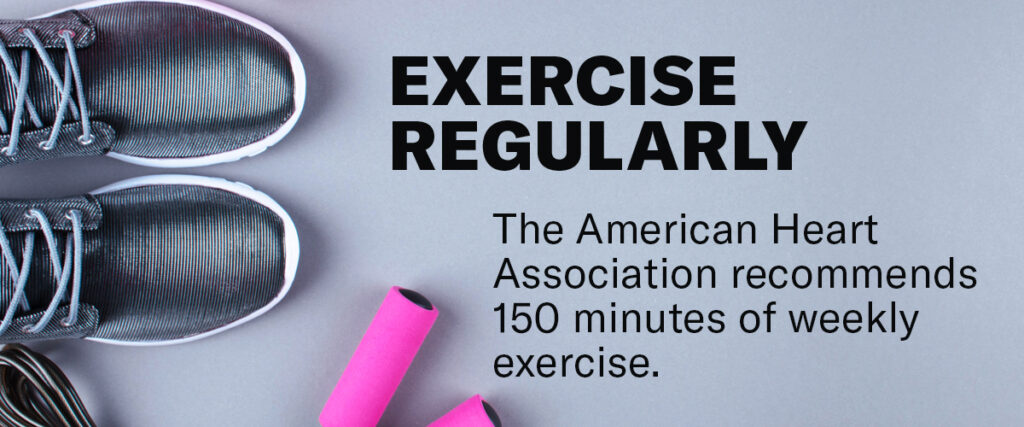
The American Heart Association (AHA) recommends at least 150 minutes per week of moderate-intensity aerobic activity or 75 minutes per week of vigorous aerobic activity.
Tracking your heart rate and knowing your targets can help you optimize your workouts.
“Our heart rates are dynamic throughout the day,” says Dr. Corey Bradley, a cardiologist at NewYork-Presbyterian/Columbia University Irving Medical Center. “Heart rate variability is a sign of good cardiovascular health and fitness.”
You can calculate your maximum heart rate by subtracting your age from 220, says Dr. Bradley. For moderate-intensity aerobic activity, aim to reach 50% to 70% of your maximum heart rate for your age. For vigorous physical activity, aim for 70% to 85% of your maximum.
While more moderate to intense aerobic activities, like brisk walking or cycling, help strengthen the cardiovascular system, “cozy cardio” is another approach to workouts that may make exercise more accessible. “These are low-impact exercises that raise your heart rate in a comfortable setting like your home,” says Dr. Jessica Hennessey, a cardiologist at NewYork-Presbyterian/Columbia University Irving Medical Center. “Cozy cardio can be seen as a Zone 2 type of exercise based on the heart rate zone, with Zone 1 being a place where you can easily hold a conversation and Zone 5 where you can’t talk at all.”
And beyond cardiovascular exercise, don’t forget to include some weight training, which not only strengthens muscles, but also helps build bone, says Dr. Erica Eldon, a physiatrist with Och Spine at NewYork-Presbyterian and Columbia. “Weight-bearing exercise is important,” she says. “If you’re increasing force through the bones, your body gets the signals to strengthen these specific bones and increase the density of this bone to resist this amount of stress.”
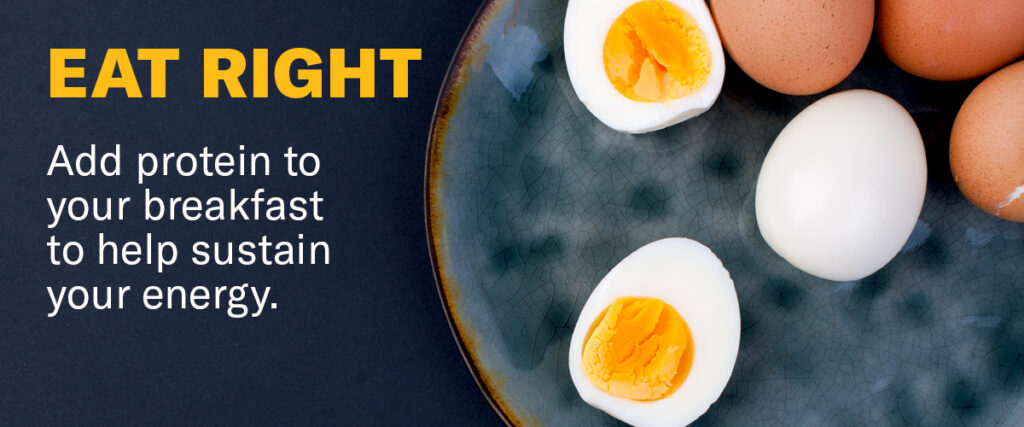
If you’re looking for a boost in energy and strength, or just want to feel full for a longer stretch, one nutritional area to examine is your protein intake. Protein is a vital component for a healthy diet, helping provide your body with the building blocks it needs for daily function, from supporting your immune system to repairing bone and muscle.
“A person’s protein intake varies based on sex, height, weight, and level of physical activity, but overall, the current federal guidelines for adults recommend 0.8 grams of protein per kilogram to meet your basic daily needs,” says Sirida Subudom, a clinical dietitian at NewYork-Presbyterian/Weill Cornell Medical Center. “Think of it as roughly 60 grams of protein for a 165-pound person – that’s about three servings of protein.”
While protein is an important part of the diet, Dr. Michelle Loy, an integrative health specialist at NewYork-Presbyterian/Weill Cornell Medical Center, advises to avoid protein powders as a major source because they fall under the category of ultra-processed foods. Ultra-processed foods have been linked to increased risk of cancer, cardiovascular disease, type two diabetes, and obesity. “While more research is being done to examine how processed foods affect our bodies, we do have plenty of data showing that whole food, unprocessed dietary patterns are all associated with better health,” says Dr. Loy. “And that’s probably due to their combination of emphasizing whole foods like vegetables, fruits, whole grains, lentils, beans and nuts, which are full of macronutrients, micronutrients, beneficial phytochemicals, and fiber, in combination with moderating ultra-processed foods.”
According to Dr. Sean Mendez, a cardiologist at NewYork-Presbyterian Brooklyn Methodist Hospital, one such diet that has been proven to improve heart health is the DASH Eating Plan. Short for Dietary Approaches to Stop Hypertension, the diet is high in vegetables, fruits, and whole grains. It also includes fat-free or low-fat dairy products, fish, poultry, beans, nuts and vegetable oils, and limits food high in saturated fat and sugar-sweetened beverages and sweets. Studies have shown that people who followed the eating pattern were able to lower blood pressure through diet alone. “The fruits and vegetables are rich in nutrients associated with lowering blood pressure, and the calcium in dairy seems to add that extra difference,” says Dr. Mendez.
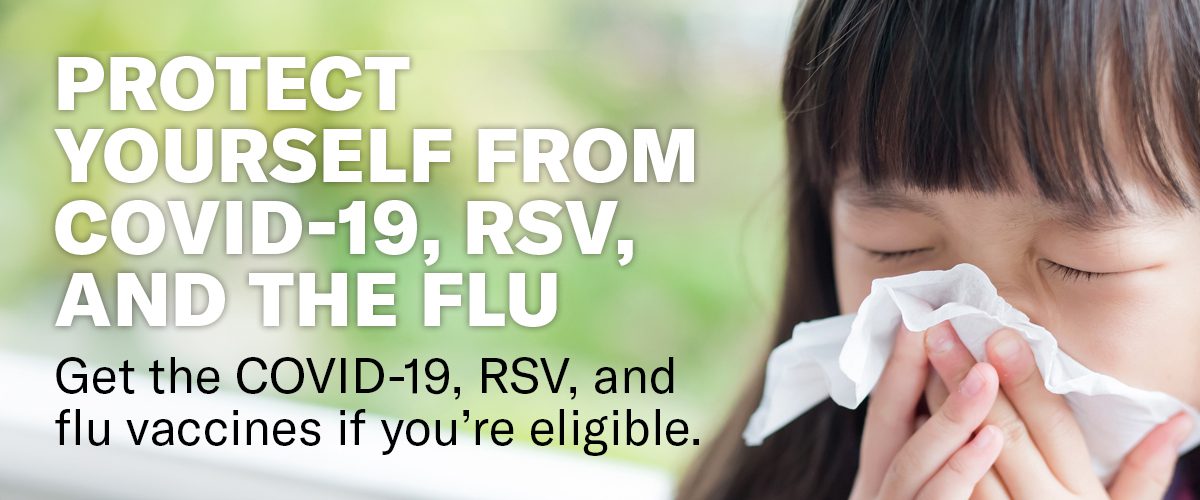
Winter is prime season for viruses such as COVID, flu, and respiratory syncytial virus (RSV). The best way to protect yourself? Get vaccinated. “Vaccines are one of our key strategies for preventing transmission and reducing severe outcomes of infection,” says Dr. Magdalena Sobieszczyk, chief of the Division of Infectious Diseases at NewYork-Presbyterian/Columbia University Irving Medical Center. “It is important to keep in mind that respiratory illnesses like COVID, RSV, and the flu can have a lingering effect on health. COVID in particular — even after an asymptomatic or mild infection — can, in some people, lead to lingering symptoms called long COVID, which vaccination may also help prevent.”
With subclade K, a new variant of the Influenza A (H3N2) virus, driving infections this flu season, cases are surging across the country. “We recommended the flu shot for everyone six months and older, and there’s no downside to getting it,” says Dr. Nehal Galal, a primary care physician at NewYork-Presbyterian and Columbia. “The side effects are minimal for most patients, and it gives you an extra shield of protection.”
As for RSV, there are approved vaccines for pregnant people and adults 60 years of age and older, and antibody shots for infants. “RSV is a common respiratory virus that, in most people, causes cold-like symptoms,” says Dr. Lori Shah, a pulmonologist at New York-Presbyterian/Columbia University Irving Medical Center. “But some people can get quite sick from it, especially young infants, adults over the age of 65, those with chronic medical conditions such as asthma, and immunocompromised people.”
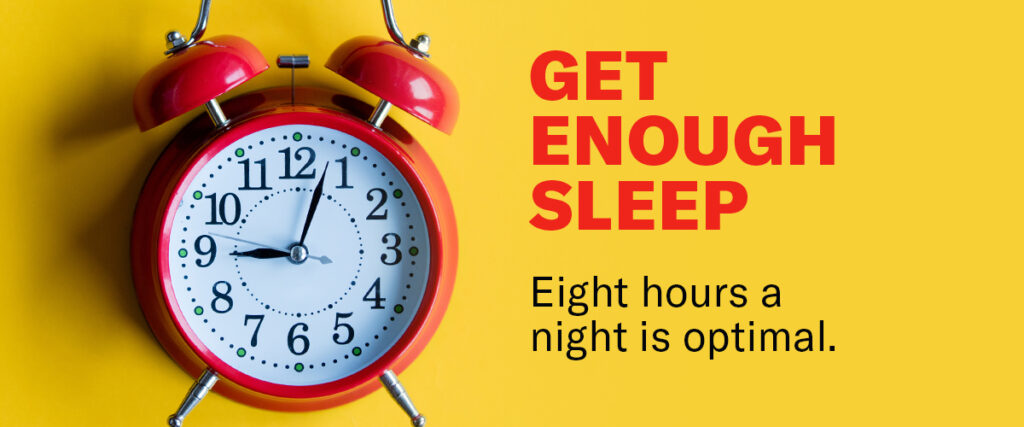
Prioritizing sleep is critical to our health, says Dr. Ana C. Krieger, director of the Center for Sleep Medicine at NewYork-Presbyterian/Weill Cornell Medical Center and Weill Cornell Medicine. “During the day, our brain cells are very active, coordinating everything that we do,” she says. “And during the night, the brain cleanses itself from any toxins that may have accumulated during that daytime work. When we break sleep, we not only interfere with that self-cleansing process that the brain needs to go through, but we also interfere with several other hormonal functions in our body.”
Studies have shown that poor sleep can also have an impact on heart health. “Sleep is something you can address on an individual level to potentially protect or improve your heart health,” says Dr. Marwah Abdalla, a cardiologist at NewYork-Presbyterian/Columbia University Irving Medical Center. “Growing evidence shows that not getting enough sleep, or poor sleep quality, can lead to problems like high blood pressure or heart disease.”
For a better night’s sleep try:
- Exposing yourself to light during the day.
- Managing stress and writing down your worries so they don’t keep you up at night.
- Creating a dark, cold environment for sleep.
- Avoiding stimuli late at night, like exercise and devices.
“One of the most offensive things to sleep is our phones,” says Dr. Abdalla, who advises people to keep phones out of the bedroom and not use them as your alarm.
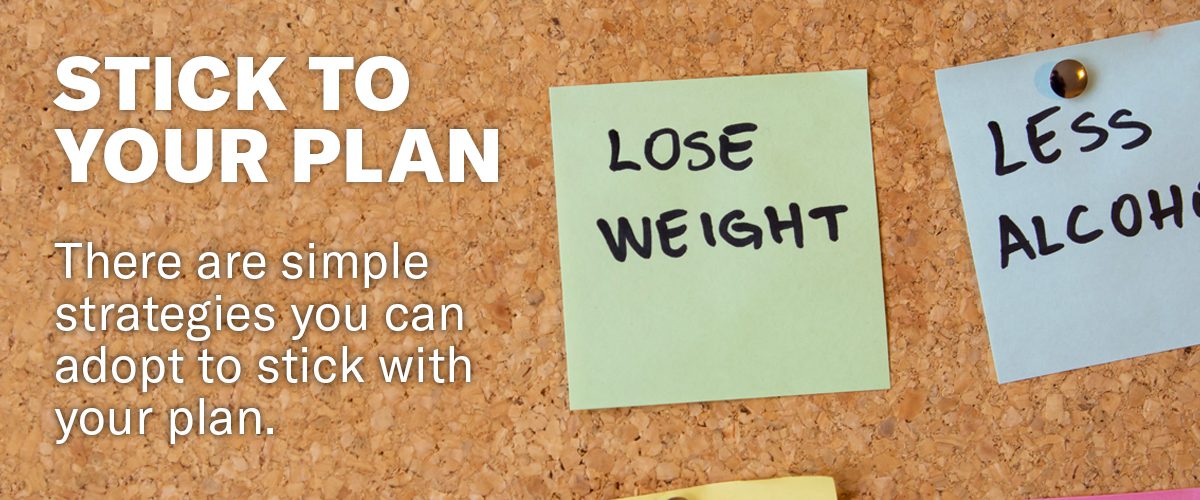
Whether you’re looking to take a break from alcohol, become a better listener, build resilience, or have another goal in mind, there are simple strategies you can adopt to stick to your plan, says Dr. Heidi Bender, a neuropsychologist at NewYork-Presbyterian/Weill Cornell Medical Center
First ask yourself: Why is this goal important to me?” says Dr. Bender. It’s also important to avoid an all-or-nothing mindset. “Often, when we’re choosing goals or resolutions, we frame them as something we should stop doing, instead of something that we can improve upon or add to our lives,” she says.
When deciding on your goals, you can think of the acronym SMART:
Specific: Goals should be focused, clear, and well-defined with an action plan.
Measurable: Define your goals in a way that allows you to measure success. Those specifics will help you track your progress.
Achievable: Starting small allows you to test things out and get a sense on whether the plan is working for you.
Relevant: It’s important for your goal to be within reach, realistic, and aligned with your life purpose.
Time-bound: A clearly defined timeline, including a starting date and a target date, creates urgency.