

What is GLP-1 Microdosing?
An endocrinologist explains the off-label practice of “microdosing” weight-loss drugs, how it works, and the potential health risks.
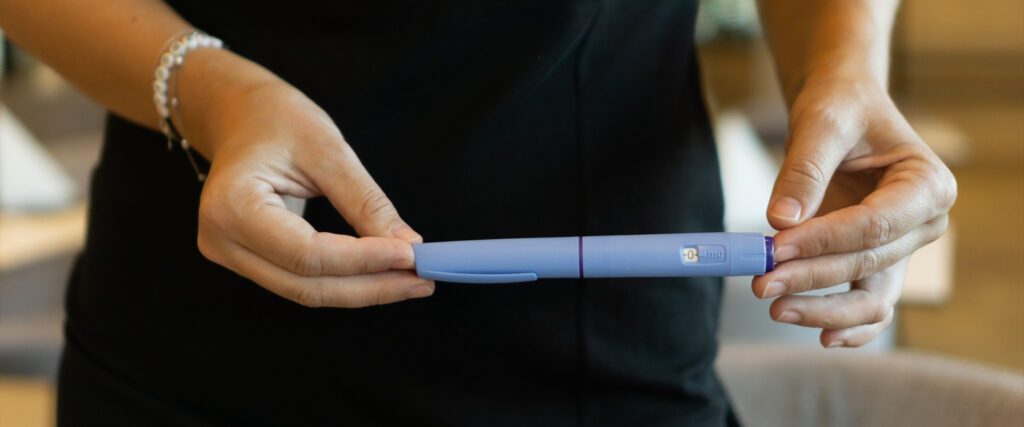
As weight-loss medications like Ozempic and Wegovy continue to make headlines and surge in popularity, some people are experimenting with a trend called “GLP-1 microdosing” – the off-label use of GLP-1 medications at a fraction of the FDA-recommended dose.
The idea is that taking a smaller amount will make the medication more affordable and lessen side effects – but is GLP-1 microdosing effective, or even safe?
“While GLP-1s are an effective form of treatment for people who medically require them, microdosing them is not an officially recognized standard of care,” says Dr. Judy Korner, an endocrinologist at NewYork-Presbyterian/Columbia University Irving Medical Center. “GLP-1s are prescription drugs for a reason — using them without medical supervision can put your health at risk.”
Health Matters spoke with Dr. Korner to learn more about GLP-1 microdosing, how these medications work, and why patients shouldn’t try this trend at home before speaking with their healthcare provider.
How do GLP-1 agonists work?
Dr. Korner: GLP-1 agonists (commonly referred to as GLP-1s), such as Ozempic and Wegovy, are a class of medications originally designed for diabetic and medically overweight patients. These medications are mostly taken through injection, though an oral version recently became available.
GLP-1 medications work by mimicking a hormone that is naturally produced by our small intestine, called GLP-1 (short for glucagon-like peptide 1). This hormone has several important functions, including:
• Regulating blood sugar
• Stimulating insulin production
• Signaling “fullness” to the brain
• Slowing gastric emptying

What is GLP-1 “microdosing?”
GLP-1 microdosing refers to taking GLP-1 medications at a fraction of the FDA-approved dose, often without a prescription or under the guidance of a healthcare provider. This practice is not supported by clinical research and is considered “off label.”
Some people obtain (often by ordering online) compounded, or customized, versions of brand-name medications. These compounded medications are not FDA-approved, which means their safety, quality, and dosage cannot be guaranteed.
Can microdosing GLP-1s help with reducing side effects?
This is difficult to answer without having published studies examining the effects of lower dosing. It is possible that for some people, a lower dose may produce fewer side effects, but it will likely be less effective for most people.
What are the health risks of microdosing GLP-1s?
The biggest concern is safety. Because compounded or off-market versions are not closely regulated, you cannot be sure what the product contains or whether the dose is accurate. Risks include:
- Unknown ingredients that may interact with other medications or health conditions
- Lack of sterility, which can lead to infections
- Product that does not contain any active medication
Taking GLP-1s can have side effects – some moderate and some more serious, such as severe vomiting and diarrhea, severe constipation, gallstones, and pancreatitis. Under proper supervision, a medical professional can adjust your dose, stop treatment, or give appropriate medical intervention based on your individual needs to avoid side effects. That is why it’s important to only take under the supervision of a doctor.
What would you tell someone who is considering this practice?
These medications can be highly effective and safe when used appropriately under a doctor’s care and for FDA-approved conditions, such as diabetes, obesity, heart disease and obstructive sleep apnea. They may also be effective for other conditions such as fatty liver disease or osteoarthritis. But taking them on your own is not safe. Although you may be getting these medications at a reduced cost, you’re spending money on something that may have health risks or has very little chance of working.
In addition, a medical professional will be able to tell you whether your specific side effects are normal and expected, or something more serious that warrants medical attention.
Many people who take these medications, whether they are microdosing at home or taking under a doctor’s care, are primarily concerned about weight loss. I would like people to understand that results will vary for each individual. If you are interested in GLP-1 therapy, you should consult with your doctor to see if it is appropriate for you and your individual health needs.
And remember: GLP-1s are not a quick fix — most people need to continue treatment long-term to maintain results, consume a healthy nutritious diet and optimize their physical activity for best results.