

What is Bubonic Plague?
Following a recent case of Bubonic Plague in California, an infectious disease expert explains the symptoms and risk factors for this rare infection.
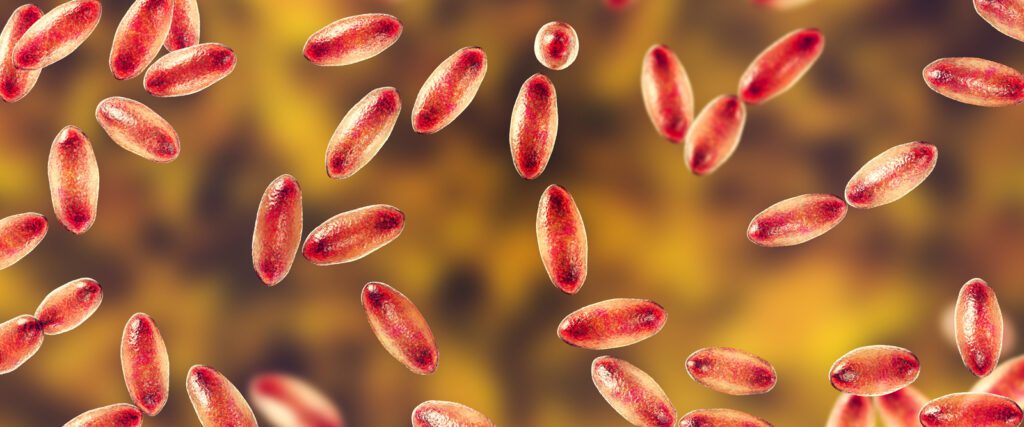
The Bubonic Plague, also known as Black Death, is generally known as a disease from the Middle Ages, when it caused a pandemic in the mid-1300s, killing an estimated 25 million people in Europe.
But the disease still circulates today, though on a much smaller scale. With antibiotics, an infection that once wiped out nearly a third of the population of Europe is easily treatable, if caught early.
Following a case recently reported in the South Lake Tahoe area of California, Health Matters spoke Dr. Jason Zucker, an infectious disease physician at NewYork-Presbyterian/Columbia University Irving Medical Center, to learn more about the disease, who is at risk, and steps you can take to reduce the chances of acquiring the plague.
What is the plague?
Plague is a serious bacterial infection caused by the bacterium Yersinia pestis. It circulates naturally among wild rodents and their fleas and can infect humans. Plague comes in three forms: bubonic (swollen, painful lymph nodes), septicemic (infection in the bloodstream causing shock and tissue death), and pneumonic (lung infection).

Is the plague contagious?
Bubonic and septicemic plague are not usually spread person-to-person. Pneumonic plague can spread via respiratory droplets during close, sustained contact.
Most human cases, however, are transmitted from animals to people, typically through the bite of an infected flea or by coming into contact with the fluid of an infected animal.
Do people still get the plague? How common is it in America and worldwide?
People do still get the plague, but it’s rare. The U.S. reports about seven human cases per year (on average), mostly in the rural Southwest. Worldwide cases are scattered, but the most human cases have been reported in parts of Africa.
If you think you’ve been exposed (either locally or via travel), what should you do?
If you think you’ve been exposed, get medical care right away and explain how you might have come into contact. In those cases, doctors will likely recommend a course of antibiotics to prevent illness.
What are the symptoms?
Depending on the type of plague, the symptoms will be a little different. You are likely to experience fever, chills, body aches, or weakness with any type, but with Bubonic plague, you may also get swollen and painful lymph nodes, called buboes. Septicemic plague may cause the skin on your fingers, toes and nose to turn black and die, and the pneumonic plague will heavily impact your lungs.
Are there cases in the New York area?
There are no endemic cases, meaning cases where people acquired the disease in New York or the New York area, but people come to New York from all over the world and some are diagnosed here, even if they contracted it elsewhere.
Are the fleas that transmit plague, or the animals that carry plague, found in the New York area (NY, NJ, CT)?
Plague bacteria circulate naturally among wild rodents (like ground squirrels, prairie dogs, and rats) and their fleas, which can then transmit the infection to humans. We do have rats in New York City and some of those rats have fleas, but there is no evidence that those fleas are carriers of the plague bacteria. Rodent populations in areas where the plague is endemic, like California or the Southwest, are more likely to carry the disease.
How do you avoid the plague? If it’s mostly spread by fleas, is it similar to avoiding being bitten by any bugs, like mosquitoes and ticks?
Exactly, avoiding flea bites are key (as well as avoiding the rodents the fleas are on). Keep pets on flea control, wear insect repellant, and don’t let free-roaming pets sleep in your bed in areas where the plague is endemic.
Don’t handle sick or dead wildlife; always wear gloves and use extreme caution if you must handle dead animals in areas where plague is active.
Is the plague fatal?
Without treatment, plague can be deadly. With timely antibiotics, however, most people will recover fully.