

Understanding Blood Pressure and Why it’s Key to Heart Health
A cardiologist explains what is considered a healthy range for blood pressure and how knowing your numbers can help you support your cardiovascular health.
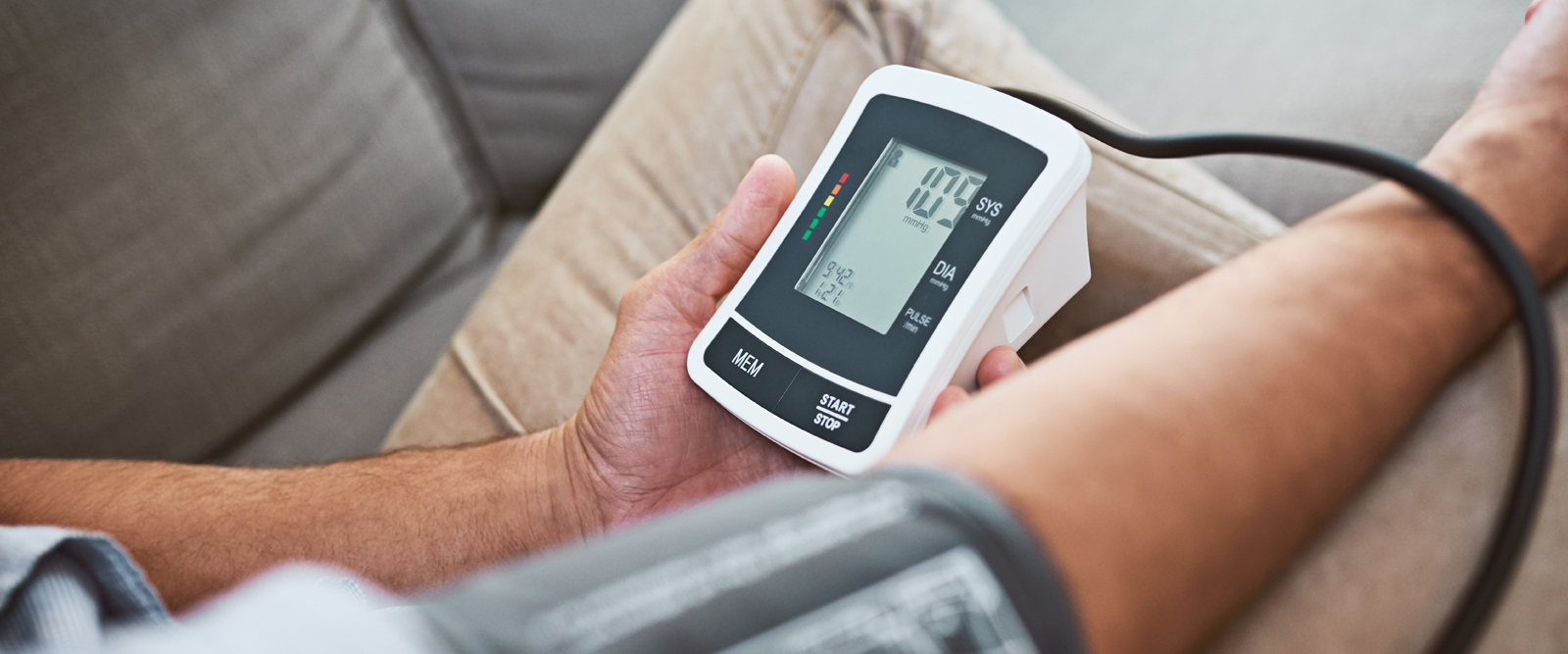
Maintaining your blood pressure is important to a healthy heart, yet many live with an elevated level. Nearly half the adults in the United States have high blood pressure, also known as hypertension, according to the Centers for Disease Control and Prevention.
With heart disease as a leading cause of death in the U.S., it’s important to take a proactive, preventive approach — and that includes understanding ways to adjust your lifestyle so that you can keep your blood pressure in a healthy range.
“High blood pressure can increase the risk of heart attack and stroke,” says Dr. Samuel Kim, a preventive cardiologist at NewYork-Presbyterian/Weill Cornell Medical Center. “If treated earlier, even a small change toward a healthier lifestyle can pay off in the long run.”
Health Matters spoke with Dr. Kim, who is also an assistant professor of medicine at Weill Cornell Medicine, to better understand blood pressure and what you can do to manage your numbers.

Dr. Samuel Kim
What is blood pressure, and why is it important to monitor?
Dr. Kim: Think of your heart like an engine. Your vessels are the pipes, delivering blood throughout the body. Blood pressure is the force of blood pushing on the vessel walls. If there’s increased force in the piping of your system — which is what it means to have high blood pressure — it puts a strain on other parts of the body. And over time, the heart will wear out.
For most people with hypertension, the strain will cause the heart tissue to thicken and scar. This can lead to blockages inside the arteries and increased risk of developing heart failure or arrhythmias like atrial fibrillation.
It’s becoming clearer that hypertension is strongly linked with development of cognitive decline and dementia in addition to heart disease and stroke, so it’s important for earlier screening and control.
What do the numbers in a blood pressure reading mean?
There are two numbers in a reading: systolic blood pressure at the top and diastolic at the bottom.
Systolic is measured when the heart beats and blood is actively being pumped out, stretching on the blood vessels. Diastolic pressure is measured between beats when your heart is resting.
The ideal would be the top number being less than 120 and the bottom less than 80.
If the systolic is in the 130s or diastolic 80s to 90s, we often call that early-stage high blood pressure. If blood pressure is more than 140 over 90, we would consider that really high blood pressure that needs to be treated with more aggressive lifestyle intervention or dietary changes.
Who is at risk of having high blood pressure?
According to the American Heart Association (AHA), an estimated 121.5 million adults in the United States have hypertension.
Risk factors include genetic predisposition or underlying conditions like thyroid or kidney disorders. Stress, physical activity, or a diet high in salt can play a major role. Sleep apnea is also a big factor, so early screening is encouraged.
What causes high blood pressure?
Consuming too much salt can cause the body to retain fluid and raise blood pressure. The AHA recommends no more than about one teaspoon of table salt a day.
Certain medications and supplements can also cause high blood pressure, including common ones like nasal decongestants or ibuprofen.
Additionally, as we get older, the blood vessels stiffen up and it’s natural for blood pressure to rise. The ability to regulate pressure is not as robust, so sometimes there may be swings between high and low readings.
People post-menopause can also see an increase in blood pressure, because declining estrogen results in the loss of protective mechanisms that improve blood vessels’ vascular tone.
On the other hand, individuals who exercise regularly tend to have a lower resting blood pressure. Physical activity strengthens the heart muscle, making it more efficient. Also, exercise may help secrete certain compounds like nitric oxide, which relaxes your blood vessels.
How do you get accurate blood pressure readings?
For home measurements:
- Try to find a time when you’re feeling most relaxed and calm.
- Put feet flat on the ground, uncrossing your legs.
- Make sure the cuff is not too tight, and don’t talk while the measurement is being done.
Blood pressure can fluctuate during the day. Your emotional state or what you last ate can influence a reading, so I tell patients to look at the average blood pressure measurement over several days, not just one snapshot in time, and keep a log to be proactive.
When is it time to call a doctor?
Contact your physician if your pressure is very low or very high — if the systolic number is dropping below 100, or if it is up in the 160 to 170 range.
Lifestyle change is the first stop in treatment: weight loss, exercise, and salt reduction. If that doesn’t work, it’s worthwhile discussing starting a medication.
Ways to Manage Blood Pressure
- Cut back on salt
Be mindful of processed foods and aim for no more than 1,500 to 2,300 milligrams of sodium a day (one teaspoon salt = 2,300 mg sodium). - Check nutritional labels
When possible, identify high-sodium foods by reading food label. - Exercise
Get moving with moderately vigorous activity at least 150 minutes a week. - Reduce stress
Blood pressure fluctuates depending on your overall level of stress and anxiety. - Keep track of medication side effects
Talk with your doctor about any medications or supplements that may need adjusting.