

The Impact of Caffeine and Alcohol on Your Heart: What’s Safe and What to Avoid
A cardiologist explains the heart health benefits of caffeine and the risks of alcohol — and how much is too much.

When it comes to cardiovascular health, common beverages like a cup of coffee or a glass of wine can raise questions — as well as misconceptions — about what’s safe, what’s harmful, and what may even have health benefits.
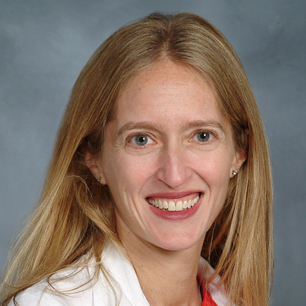
“For a long time, many people assumed coffee was unhealthy for the heart, while considering a glass of red wine to be protective,” Dr. Joy Gelbman, a cardiologist at NewYork-Presbyterian/Weill Cornell Medical Center. “But now, the science has shifted, and it’s a bit more nuanced than people may realize.”
How many cups of coffee a day is too many? And does any amount of alcohol really offer benefits?
Health Matters spoke with Dr. Gelbman to better understand what caffeine and alcohol really do to the heart, how much is safe to consume, and the symptoms that may suggest it’s time to cut back.
How does caffeine affect the heart?
Dr. Gelbman: Many people consider coffee to be a “guilty pleasure” when it comes to heart or overall health. However, there is growing evidence that moderate coffee consumption is generally safe and may even have benefits.
Recent studies have shown that one to two cups of coffee a day can reduce the risk of heart failure, as well as other chronic diseases, such as type 2 diabetes. Another trial suggests that drinking a cup of coffee a day can reduce the risk of atrial fibrillation by almost 40%.
That said, if you’re not a coffee drinker, I wouldn’t say that there’s enough evidence that you should start, just for the potential benefits. You should also note that these findings do not apply to other caffeinated beverages — an energy drink will not have the same effects as a cup of coffee.
Why does coffee make your heart race?
Caffeine is a stimulant that releases adrenaline and triggers activity in your brain and nervous system, so it can make your heart rate and blood pressure temporarily increase. For most people, the effects are short-lived, but individuals can have different reactions to caffeine. Some may be more sensitive than others. If side effects feel prolonged, intense, or uncomfortable, it may be a sign to cut back.
How many cups of coffee a day is safe?
According to the Food and Drug Administration, about four cups of coffee a day is generally considered safe for most healthy adults. Those who have existing heart rhythm disorders, or arrhythmias, high blood pressure, and who are particularly sensitive to the effects of caffeine should carefully monitor their consumption and speak with their doctor about how much coffee is safe for them to consume.
While studies have shown the health benefits of coffee, people should keep in mind how caffeine impacts their sleep. If a cup of coffee late in the day disrupts your sleep, then that can negatively impact health in different ways.
How does alcohol affect the heart?
While coffee’s reputation regarding heart health has improved in recent years, our understanding of the relationship between alcohol and the heart has become more complicated.
Heavy alcohol use, especially binge drinking, has been known to negatively impact heart health, but it used to be that moderate drinking was considered protective for the heart, in particular red wine.
For cardiovascular health, less alcohol is better, with some evidence suggesting potential harm even at low levels. As a result, it’s advisable to cut back on alcohol or abstain altogether, especially if you have a known health condition.
What is holiday heart syndrome?
Excess consumption of food and alcohol during celebrations can lead to a phenomenon known as “holiday heart syndrome.” It’s the sudden onset of cardiac complications, such as atrial fibrillation, congestive heart failure, cardiac arrest, and heart attack, as a result of eating large, heavy meals and binge drinking.
It’s nicknamed “holiday” because that’s when people typically eat and drink more, but it can happen any time of year.
Holiday heart syndrome can happen to young, otherwise healthy people, but people over the age of 65 or those who already have chronic heart conditions are at a higher risk.
How much is too much? What are the warning signs and symptoms to look out for?
Both alcohol and caffeine, especially when consumed in excess, can cause cardiovascular side effects, especially if you have an underlying condition. You should seek medical attention if you experience any of the following:
- Chest pain or pressure
- Heart racing and palpitations that do not go away
- Lightheadedness, fainting, or feeling like you might pass out
- New symptoms during exertion, such as chest discomfort when climbing stairs
- Lightheadedness, fainting, or feeling like you might pass out
- Gastrointestinal issues, such as vomiting or diarrhea
Even if you don’t have symptoms, it is important to know your risk of heart disease. Most adults should have their blood pressure checked at least once a year (since this can be high sometimes without causing symptoms), in addition to refraining from smoking, eating a well-balanced, nutritious diet, getting enough sleep, and staying active. It’s also important to know your family history of heart conditions.