

Sleep Apnea and Your Heart: Why Snoring Isn’t Just a Nuisance
A cardiologist and sleep expert share how sleep apnea affects your heart, what symptoms to watch for, and when to talk with a doctor about testing and treatment.
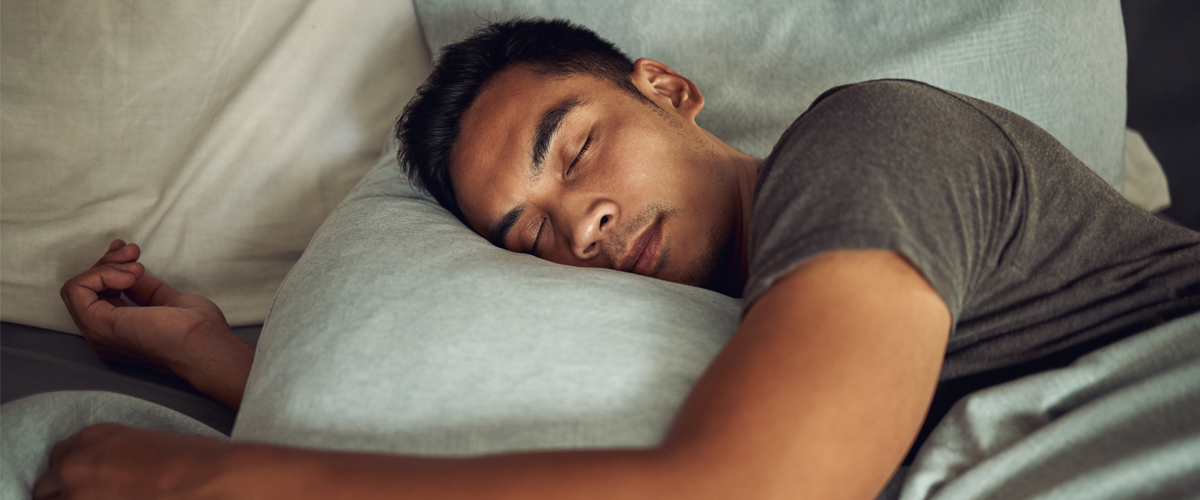
If you’ve been told you snore loudly, it may be more than just a nuisance to whomever you’re keeping awake – it could be impacting your heart health.
Loud snoring could be a sign of sleep apnea, a common sleep disorder which occurs when the muscles in the back of your throat relax too much and narrow your airways, causing you to repeatedly stop and start breathing while you sleep. Obstructive sleep apnea is estimated to affect 83.7 million adults in the United States and many cases go undiagnosed, according to the National Sleep Foundation (NSF).
“Sleep is something you can address on an individual level to potentially protect or improve your heart health,” says Dr. Marwah Abdalla, a cardiologist at NewYork-Presbyterian/Columbia University Irving Medical Center. “Growing evidence shows that not getting enough sleep, or poor sleep quality, can lead to problems like high blood pressure or heart disease.”
Unfortunately, many people are not getting enough sleep: Almost half of all Americans say they feel sleepy during the day between three and seven days a week, according to the NSF, which recommends between seven and nine hours of sleep a night for healthy adults and between nine and 13 hours for children, depending on their age. More than 35% of adults in the United States report sleeping less than seven hours a night.
“We live on the edge in terms of sleep,” says Dr. Ana Krieger, director of the Center for Sleep Medicine at NewYork-Presbyterian/Weill Cornell Medical Center and Weill Cornell Medicine. “We need to make sleep a priority.”
Health Matters spoke to Dr. Krieger and Dr. Abdalla to learn more about when snoring is more than a nuisance and other signs of sleep apnea, why good sleep is a pillar of heart health, ways to improve your sleep and when to see a doctor.

When is Snoring a Sign of Sleep Apnea?
Not all snoring is dangerous, but loud, chronic snoring — especially if it’s paired with pauses in breathing or gasping for air — can signal obstructive sleep apnea, according to Dr. Krieger.
“Snoring can be a risk for sleep apnea because the snoring is telling us that the air is flowing against some resistance,” says Dr. Krieger, who is also chief of the Division of Sleep Neurology and a professor of clinical medicine in the departments of medicine, neurology and genetic medicine at Weill Cornell Medicine. “As the air goes through the airway, the soft tissues vibrate. If people snore the entire night but lightly, you know they’re breathing. When there’s no noise followed by a loud snore, that’s when you have a worrisome situation where the person is holding their breath and waking up to restore breathing. Snoring should be evaluated so you can learn what to do about it.”
Other signs of sleep apnea include:
- Waking up suddenly with a racing heartbeat
- Morning headaches
- Waking up tired despite a full night’s sleep
- Daytime fatigue or trouble concentrating
How Can Sleep Apnea Affect My Heart?
Sleep apnea limits your ability to breathe properly while you sleep, and the frequent drops in oxygen “can lead to stress on the body, including damaging the vessels that supply blood to the heart, can cause direct injury to the heart itself, and lead to high blood pressure,” says Dr. Abdalla, who is also the Florence Irving Associate Professor of Medicine at Columbia University Vagelos College of Physicians and Surgeons. “In addition, sleep apnea can also lead to a type of high blood pressure that affects the arteries in the lungs and right side of the heart, called pulmonary hypertension, and can cause heart failure.”
A lack of oxygen affects every organ, including the mechanics of the heart. “The heart and lungs share space in the chest wall, so as the lungs labor to breathe, the heart is also subjected to that physical stress, which can thicken the heart muscles and affect the function of the heart,” says Dr. Krieger.
Shallow and forceful breaths wake up the brain to restore breathing, disrupting the sleep cycle and adding stress to the body. “By waking up, the brain now releases adrenaline and stress hormones to restore respiratory function, open up the airway muscles, and get you to breathe normally,” says Dr. Krieger. “This stresses the heart, increasing your heart rate and blood pressure.”
Sleep apnea increases the risk of developing blood clots, according to research led by Dr. Krieger. “We found that people, even with mild degrees of sleep apnea, have platelets that tend to stick to each other, which can lead to clotting,” she says. “This can be a contributing factor to cardiovascular disease in patients with sleep apnea.
What Symptoms Should Make Me Call My Doctor?
Reach out to your primary care doctor or a sleep specialist if you notice:
- Loud snoring most nights
- Pauses in breathing during sleep (often noticed by a partner)
- Waking up gasping or choking
- Persistent fatigue or morning headaches
- Excessive tiredness during the day
- Dry mouth upon waking
- Restless sleep
The risk of developing sleep apnea increases with age until a person is in their 60s and 70s, and men are generally more likely to develop it. Head and neck anatomy, as well as body weight, can also be a risk factor. Your doctor may recommend a sleep study to learn more about what’s going on in your body while you sleep.
What Should I Expect During a Sleep Study?
Sleep apnea diagnosis involves wearing a respiratory monitor during sleep, either at a sleep center or at home. The at-home devices measure your breathing, oxygen levels and heart rhythm overnight to confirm whether you have sleep apnea and how severe it is. The sleep center testing involves being assessed in dedicated facility, ideally accredited by the American Academy of Sleep Medicine. The sleep centers have private, quiet rooms specifically designed for this purpose. Sleep technologists are professionals trained and licensed to perform these overnight sleep studies, placing several noninvasive electrodes on your skin and scalp that connect to monitoring equipment to record brain activity, breathing, oxygen levels, heart rhythm, and muscle activity in your face, arms, and legs while you sleep.
During a visit with your doctor, they will determine the best approach to test for sleep apnea or other sleep disorders.
How Does Treatment for Sleep Apnea Help My Heart and My Day-to-Day Life?
Treatment for sleep apnea varies and is often dictated by the severity of the condition. Options include oral guards to bring the jaw forward to open up the airway space, positional devices to avoid sleeping on your back, and CPAP (continuous positive airway pressure) machines, which use a mask connected to a hose that attaches to the CPAP unit. CPAP treatment helps restore airflow while you sleep, and is typically recommended for the more severe cases of sleep apnea. “Patients with severe apnea often report feeling more rested once they begin treatment with CPAP, and better sleep can in turn promote better heart health,” says Dr. Krieger.
Tips to Prioritize Sleep
For some, conditions like sleep apnea impact sleep, but for many others, it’s long busy days that prevent people from winding down and getting the rest they need. Lack of sleep is also linked to a negative effect on heart health.
Dr. Abdalla is leading research to better understand this connection. In a large study published in the International Journal of Cardiology Hypertension, Dr. Abdalla and her colleagues assessed the sleep habits and blood pressure of nearly 900 working adults. The study found that shorter sleep duration is associated with higher blood pressure in a 24-hour period and potential cardiovascular risk.
While there is no simple button to press to make sure you get enough good, quality sleep each night, there are steps you can take to understand and respect your body’s rhythm.
1. Expose yourself to light during the day.
“Getting sunlight throughout the day reminds your body that it is daytime, which helps build up the sleep drive and cues a rise in the sleep hormone, melatonin,” says Dr. Abdalla. She also suggests avoiding caffeine after 12 noon, if possible, because caffeine has a long half-life and remains in your system long after you finish an afternoon cup of coffee.
2. Manage stress. Write down your worries.
Stress and worry are other culprits that keep people awake at night, say Dr. Abdalla and Dr. Krieger, who both suggest keeping a worry log to get thoughts out. Meditation, yoga, and breathing exercises are other positive ways to relax and help mitigate worry.
“If you don’t process your worries throughout the day, when you lie down to sleep, they may trigger a state of anxiety,” says Dr. Krieger. “Often, I recommend that people take 10 to 15 minutes of worry time during the day, where they can sit down to think about the stressful items in their lives, and start a simple worry list with actionable items. When this is done, the effect is often quite noticeable as people start to embrace the challenges in their lives and no longer feel that same stress and racing thoughts that used to interfere with sleep.
3. Create a positive environment for sleep.
By creating a dark, cold environment for sleep, and avoiding stimuli late at night, like exercise or too much time on your phone or other device, you can help improve your sleep quality.
“One of the most offensive things to sleep is our phones,” says Dr. Abdalla, who advises people to keep phones out of the bedroom and not use them as your alarm.
Dr. Marwah Abdalla is a clinical cardiologist and cardiac intensivist at NewYork-Presbyterian/Columbia University Irving Medical Center, and the Florence Irving Associate Professor of Medicine at Columbia University Vagelos College of Physicians and Surgeons.
She is the director of education for the cardiac intensive care unit and co-director of the Columbia Hypertension Center. Her areas of expertise include critical care cardiology, hypertension, and sleep. She is also an NIH-funded clinical investigator with a research expertise in the cardiovascular manifestations of hypertension and how sleep and circadian rhythms impact cardiovascular health.
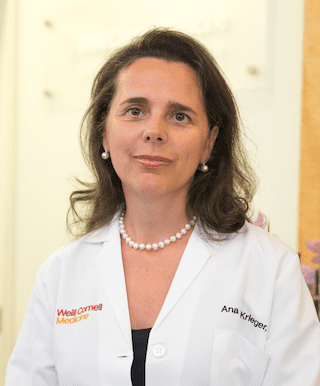
Dr. Ana C. Krieger is the director of the Center for Sleep Medicine at NewYork-Presbyterian/Weill Cornell Medical Center and Weill Cornell Medicine, and professor of clinical medicine, professor of medicine in clinical neurology, and professor of clinical genetic medicine at Weill Cornell Medicine. A clinician-scientist, she investigates mechanisms of cardiovascular disease in sleep disorders. She actively collaborates with many investigators in the field of sleep medicine and has contributed to multiple scientific publications and presentations.
Additional Resources
- Learn more about sleep disorders and heart health services at NewYork-Presbyterian.