

Probiotics: What You Need to Know
Two experts explain the role the good bacteria play in gut health and if you need to incorporate more probiotics into your diet.
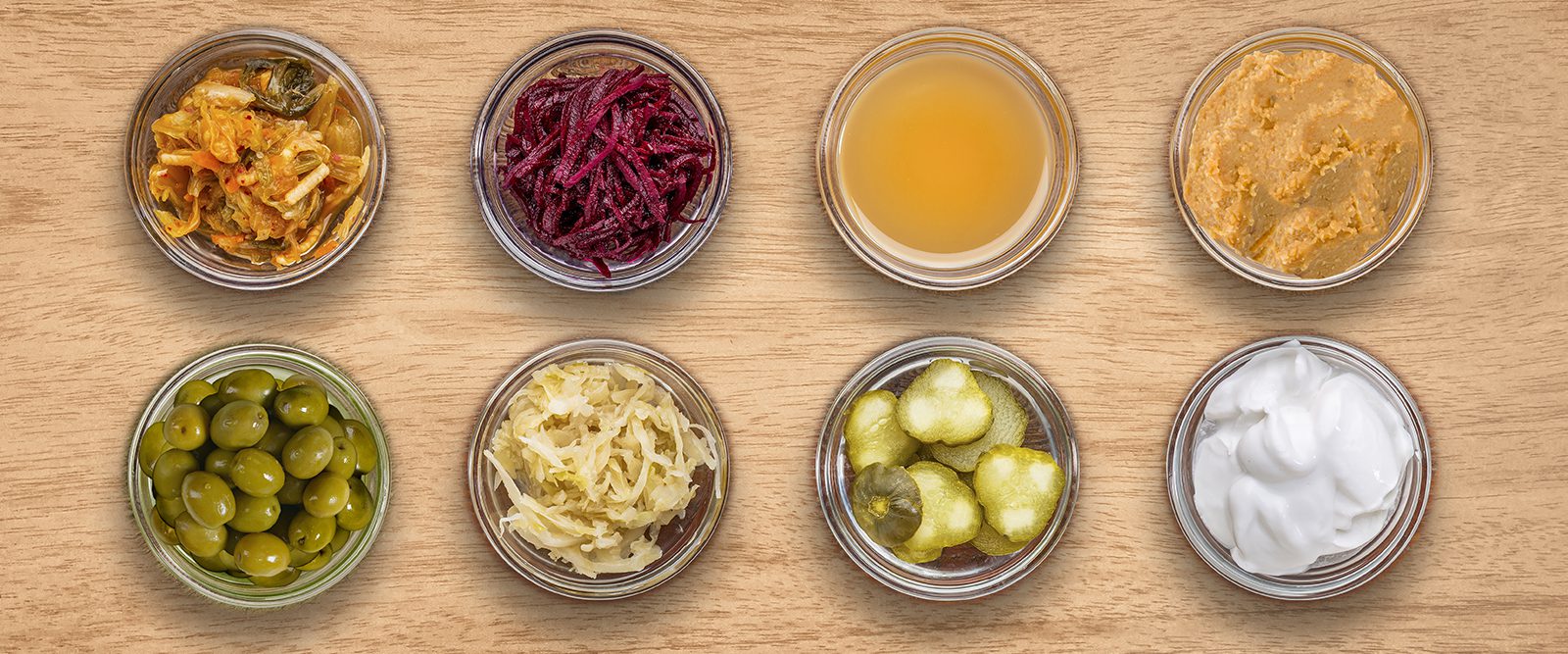
Chances are you’ve heard about probiotics — “good” bacteria that live in the gut and support digestive health. Probiotics are naturally found in foods such as yogurt and pickles, and now you can also find them in supplements and as additions to soft drinks.
“Probiotics are active live organisms that can help support a healthy gut microbiome and may confer health benefits,” says Dr. Carolyn Newberry, a gastroenterologist and physician nutrition specialist at NewYork-Presbyterian/Weill Cornell Medical Center. “Incorporating more probiotic-rich, fermented foods in the diet may help improve your digestive health.”
There’s been research looking into the benefits of probiotics and prebiotics, says Georgia Giannopoulos, a registered dietitian and manager of NYPBeHealthy, NewYork-Presbyterian’s health and wellbeing program. “Eating nourishing foods with probiotics and prebiotics is great for keeping your digestive tract healthy,” she says.
Health Matters talked to Dr. Newberry and Georgia to learn more about the difference between probiotics vs. prebiotics, the best food sources of probiotics, and who might benefit from probiotic supplements.
What are probiotics?
Dr. Newberry: The microbiome is made up of millions of bacteria and yeast that live in your gastrointestinal system and affect your health. Probiotics are cultivated strains of specific bacteria which may provide health benefits. By eating certain foods and taking probiotic supplements — or “gut health supplements” — you can may be able to change your microbiome and potentially improve the balance of good bacteria in the gut.
What foods contain probiotics?
Georgia: Probiotics can be found in yogurt with live and active cultures. That’s an important thing to look for when you’re at the grocery store, because if the product’s label doesn’t note that, it may not contain probiotics. Kefir, a type of fermented milk, is another great source of probiotics. They’re also found in things that have been pickled, including pickles and sauerkraut, and miso, which is made from fermented soybeans.
Dr. Newberry: Plain, unsweetened yogurt and fermented foods, like kimchi and sauerkraut, are good sources of probiotics and may support a healthy gut microbiome.
What is the difference between probiotics and prebiotics?
Dr. Newberry: Prebiotics are different types of digestible fibers that serve as food for healthy gut bacteria (and can help support probiotics in integrating into the gut microbiome).The health benefits of ‘prebiotic’ drinks, including those with apple cider vinegar aren’t scientifically validated — you’re probably better off eating an actual apple, and getting your fiber that way.
What should we know about probiotic supplements?
Dr. Newberry: I think there’s a misconception that probiotics are something that everyone should be taking, and that you need to spend a lot of money on a fancy supplement when the actual health benefits of these products are still unclear. I tell my patients that the best thing you can do for your gut is to eat more whole foods, adopt a more plant-based diet, and limit processed sugars and additives.
Georgia: Similar to Dr. Newberry, I have a “food-first” philosophy, focusing on eating nourishing foods with probiotics and prebiotics. Always talk with your healthcare provider before you start taking any supplement.
Who might benefit from probiotic supplements?
Dr. Newberry: There’s some data that suggests that taking probiotic supplements may help support and nourish the gut microbiome during antibiotic treatment, particularly if you’re critically ill. Patients with certain surgical histories may also benefit. Many people with generalized digestive complaints also notice symptoms improve with taking probiotics; however, additional research is needed to tease out who and when these supplements may be most helpful.
Can probiotic drinks help with gastrointestinal symptoms?
Dr. Newberry: People should look at the contents of probiotic drinks like kombucha before they drink them. Keep an eye out for sugar alcohols and sweeteners in these drinks, which cause a lot of bloating. It’s possible that fermented products can improve symptoms, but if the drinks have lots of sweeteners or additives, they might cause more symptoms overall and end up hurting the microbiome more than helping it.
Georgia: We know they’re instrumental in keeping the digestive tract healthy, but we still need more evidence to see exactly how else they can help. Early studies have shown that there could be a link between gut bacteria and obesity. The idea of your gut bacteria affecting your weight may be surprising, but it just goes to show how important eating nourishing foods and your digestive tract are to your overall health.