

Migraines: Understanding the Causes, Symptoms, and Treatment Options
A neurologist and headache specialist explains how a migraine is different from other headaches and when to consider medication.

Migraine, an episodic neurological disorder, affects 39 million people in the U.S. and is the second leading cause of global disability, according to the World Health Organization. People who have migraine may describe an intense, throbbing headache that lasts for hours or days.
While headache is a common symptom, migraine can have a range of complex effects, including light and sound sensitivity, nausea or vomiting, dizziness, and symptoms that can mimic those of a stroke, making it an often-debilitating condition. But the good news is that new treatment options can offer relief.
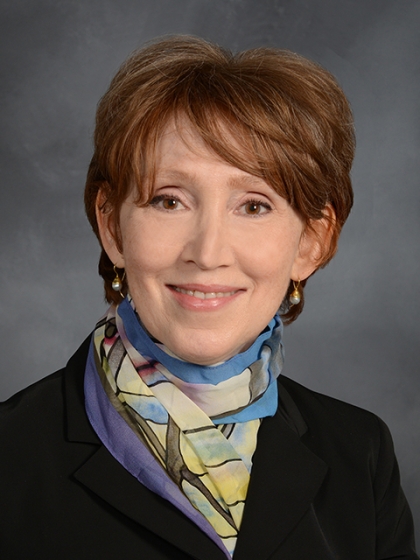
Health Matters spoke with Dr. Susan Broner, a neurologist at NewYork-Presbyterian/Weill Cornell Medical Center and the medical director of the Weill Cornell Medicine Headache Program, to discuss how to identify the symptoms of a migraine, as well as the causes, common triggers, and treatment options.
What are the symptoms of migraine and what is the difference between migraine vs. a headache?
The term headache is used to describe pain anywhere in the head, and there can be many causes of headaches. While tension-type headache is more common, migraine is the most common primary headache disorder that brings people to medical attention. A primary headache disorder is a headache that is not caused by another underlying condition. Migraine is genetic and people may have family members who have it as well. During an attack, the trigeminal nucleus, a structure deep in the brainstem, becomes activated and sends signals to other areas in and around the brain that ultimately create the pain and symptoms of a migraine.
To be diagnosed with migraine, a person must have two out of four pain characteristics:
- One-sided
- Throbbing
- Moderate to severe pain intensity
- Pain that worsens with activity
Migraine is typically accompanied by either light and sound sensitivity (even if it is mild), or nausea or vomiting. An attack usually lasts four to 72 hours, and the diagnosis is made after a person has experienced at least five attacks and the pain is not thought to be caused by anything else. Not everybody has all the features and it’s important to recognize that migraine isn’t always what we think of as the worst headache of a person’s life.
What are the warnings signs that a migraine is starting?
There are several phases to migraine. Before the actual pain begins, some people will experience what is called a prodrome: subtler symptoms before a migraine starts, such as excessive yawning, craving of salty or sugary foods, or a sense of overwhelming fatigue or irritability. The next phase of migraine can include neurological symptoms called an aura. The most common one is visual aura where people can experience a small blind spot in their eyes that gradually builds and obscures their vision such that, for example, if you’re reading something, you might be missing text on the page. People can also get shimmering sparkly lights in their vision that also gradually fade away.
Less commonly, some people get speech problems where they can’t find the words they want to say, or the words are jumbled, or they can get numbness on half of their body. Some people even get hemiplegia, where half of their body gets stroke-like weakness where they can’t move their arm or their leg. Auras last five to 60 minutes, and a headache typically follows. About 30 percent of people with migraine experience an aura.
What causes a migraine attack?
Many things can trigger a migraine, but not everyone can identify their triggers. And that is because triggers can stack. This means that several potential triggers may need to be in place to develop a migraine. Stress is one of the most common triggers of migraine, even if it is good stress. Other triggers include weather changes, certain foods and beverages, like chocolate, alcohol or too much caffeine, sleep pattern disruption, skipping meals, and hormonal changes.
I ask my patients to keep a diary and include what they think are triggers so we can reduce a person’s vulnerability to migraines through trigger avoidance by lifestyle changes like diet modifications or stress management.
Are migraines associated with hormonal fluctuations?
Yes, they are. That’s probably one of the aspects affecting migraine’s higher prevalence in women than men. Studies show about 60 percent of women with migraine experience stronger, longer lasting headaches around their menstrual cycle. Menstrual migraine lasts longer, is harder to treat, and has more associated nausea and vomiting.
What kinds of medications can relieve migraine symptoms?
The key is to treat a migraine as early as possible, within 15 to 30 minutes of the onset of pain symptoms. There are over-the-counter analgesics that can be helpful for people; things like ibuprofen, naproxen, Excedrin, or caffeine may help. Hydration is also helpful.
If these are not effective, there are two classes of migraine-specific prescription medications on the market: triptans, which were the first migraine specific medications on the market, can be very effective. And there is a newer class of as-needed medications called gepants. Gepants work by blocking calcitonin gene-related peptides, or CGRP, an inflammatory protein that is highly involved in the underlying mechanism of migraine.
Triptans tend to have a few more side effects in some people, the most common being tight muscles in the neck, jaw, or chest, and fatigue. They work for a lot of people, but gepants are also an effective tool for people who don’t respond well to or can’t tolerate triptans.
A nasal spray formulation or injectable usually provides faster relief than pills, because it bypasses the gut and is absorbed into the body more quickly, giving pain relief sometimes in as little as 20 to 30 minutes. For some people, the nausea would mean they might throw up a pill, or it would not be well-absorbed. So having a nasal spray or injectable that bypasses the stomach is advantageous.
We don’t have a cure for migraines, so the two main goals of treatment are to reduce the duration of a migraine and minimize the frequency of episodes. So, in addition to the as needed medications, there are many preventative options to reduce how often people experience migraine.
What are the signs to seek medical attention?
If you’re having four to six migraines a month or more, you should probably be seeing a health care provider to try to work on ways to reduce your frequency. We know that higher frequency of migraine is a risk factor for developing more and more migraines. Ultimately people can end up in chronic migraine, which is having 15 headache days per month or more. There are some symptoms we call red flags. They include sudden onset, explosive pain or new migraine symptoms that you’ve never had before. A headache that comes with a fever or a stiff neck also requires medical attention to rule out a condition like meningitis. A headache that starts for the first time in someone over 50 is also concerning. The bottom line is that if your headaches are becoming more frequent, more persistent, or you’re developing new symptoms, you should reach out to your doctor.