

Is There Lead in Food? What to Know About the Latest Warnings
An emergency medicine doctor explains how lead gets into what we eat, the health risks to know, and simple ways to prevent lead exposure.
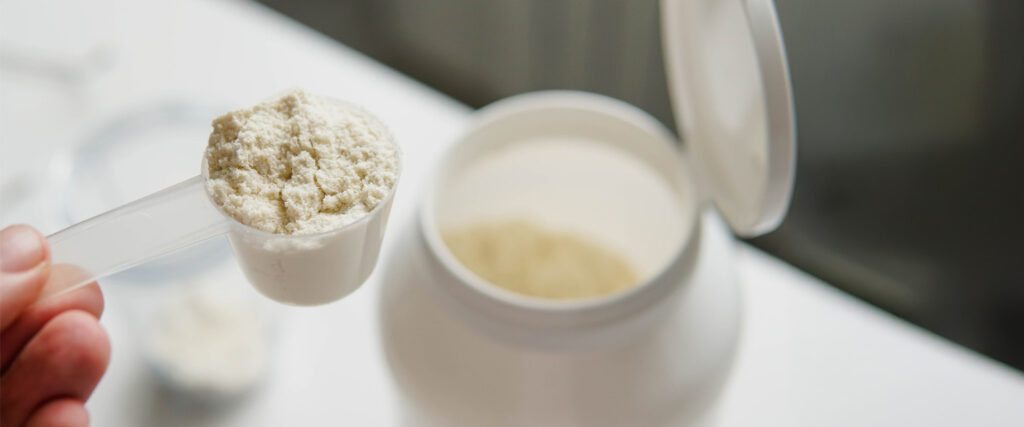
Recent reports about lead in ground cinnamon and protein powder have raised alarm for consumers about lead hazards in the food supply.
More than a dozen brands of ground cinnamon containing unsafe levels of lead were recently identified by the Food and Drug Administration (FDA), prompting the agency to issue a public health alert. The FDA first alerted consumers to tainted cinnamon products last year and has been periodically updating its list since then — now it includes 16 brands in total.
The FDA warning on ground cinnamon also coincided with a new study from Consumer Reports on lead in protein powders. The study found elevated lead levels in more than two-thirds of the products they tested.
So how common is lead in products, and what are the health risks of lead poisoning?

“It’s quite rare to develop lead poisoning as an adult,” says Dr. Adam Blumenberg, an emergency medicine doctor and medical toxicologist at NewYork-Presbyterian/Columbia University Irving Medical Center. “In the unusual cases where an adult does have symptoms that might be lead poisoning, they can get a blood test at the doctor.”
For more on lead hazards at home, how to protect yourself from lead exposure, and who is most at risk of lead poisoning, Health Matters spoke to Dr. Blumenberg.
What is lead and why is it poisonous?
Lead blocks how the body uses nutrients. This can cause problems with bones and nerves, low red blood cell counts, and it can be harmful for children’s brains. Like with all poisons, the dose matters. A tiny amount of lead might cause mild or no symptoms, and higher amounts cause more severe symptoms.
How does lead get into food?
Lead is present in many of the environments in which food is grown, raised and processed.
With ground cinnamon, for example, lead could be in contaminated soil where the cinnamon trees are growing, or if the spice was processed with machinery containing lead. Protein powder is similar – many of the products are plant based, so the lead could have come from tainted soil, or it could enter through the machines and metals used at the manufacturing plant. Lead can also be added to foods as a coloring agent or to increase their weight for sale.
If lead does appear in food, our government regulatory bodies need to get involved. At the same time, we need to be thoughtful about what we’re eating, make sure that it’s from a reputable food source, and generally use good judgment.
How concerning are the ground cinnamon recalls?
Any product recall is a cause for concern, but I’m relieved to know that something is being done about the safety issue, a recall is happening, and the contaminated products are being taken off shelves quickly.
Do you have some tips for how to minimize exposure to lead in food?
Lead can be found in certain imported products — sometimes lead powder is added to ground-up spices, and some pottery glazes contain lead which can leech into food. So I recommend avoiding imported ground-up spices, and don’t use imported pottery to hold food.
Besides food, what are other common lead hazards at home?
One of the main causes of lead poisoning is from old paint chips that have peeled off the wall. The use of lead-based paint was banned in 1978 in the United States, so many homes still have lead-based paint. If the paint chips fall off the wall onto the windowsill or radiator, little children and toddlers will sometimes eat them.
Lead can also be in cosmetics and other metals. Someone may have a hobby that involves lead, like fishing, and the fishing weights may contain lead, or soldering with lead-based materials. The best thing to do, if possible, is to find a lead-free substitute for the materials you need for that hobby.
How about drinking water?
In New York City, the pipes that bring us drinking water are usually made of other materials besides lead, most commonly copper. The reason that there’s any lead at all in the water is that when copper pipe is connected to copper pipe, it needs to be sealed with solder, which often contains a small amount of lead. The amount of lead that actually leaches into the drinking water is so small, it’s really not going to cause problems.
What are the symptoms of lead poisoning?
One of the big differences between lead exposure and lead poisoning will be the symptoms.
Cases of lead poisoning are rare, and they tend to be neurological changes, which will affect how a person is thinking, speaking or moving. Also lead poisoning can cause anemia, which is a low blood count.
Severe lead toxicity in a child can cause changes to their brain. They can develop a medical condition called cerebral edema, which means that the brain has swelled inside the tight space of the skull. This can be life threatening because not enough blood can get to the brain, and it can cause coma, it can cause seizures, and in rare cases it can be fatal. This is a very rare condition, but this is kind of the worst-case scenario.
But by far and away, the most common thing we’re seeing is mild lead toxicity, which is when someone has slightly elevated blood lead level, and it might or might not cause some cognitive issues.
So children are more at risk?
Yes, in children, a relatively small exposure to lead is associated with cognitive changes in a child having a developing brain. This is why it’s so important to have young children do lead screenings.
Parents who have children with a medical condition called PICA should be careful to check for lead hazards in the home. PICA is a compulsive eating of non-food items, so children with PICA would be more likely to eat contaminated paint chips or dirt.
How is lead poisoning diagnosed?
All children should get their blood lead level checked, even if they don’t have any obvious symptoms. A pediatrician can take a few drops of blood with a finger prick or heel prick, or with a blood draw.
Adults generally do not need to be screened for lead, unless they have symptoms that really suggest that they might have lead poisoning.
How do you get rid of lead in the body? Is the body able to clear lead on its own?
There’s not much that should be done to remove the lead, but rather to identify the source of exposure and try to get rid of that.
A common misconception about lead poisoning (and other exposures to heavy metals) is that it always has to be medically removed from the body, no matter how small the exposure is. In cases where someone is severely poisoned, we might have to remove that lead through a medical procedure called chelation therapy, but that’s only in extreme circumstances, and there should be a physician involved in that decision.
What should you do if think you have lead poisoning?
If you think you might have been exposed to lead, or even worse, been poisoned with lead, there are two really good places to start. The first is with the primary care physician, or in the case of a child, the pediatrician. Another great resource is to call the Poison Center. You can call a Poison Center anytime at 1-800-222-1222, and you’ll be connected with an expert who can answer all your questions.