

How Snow Shoveling Can Be Dangerous for Your Heart
A cardiologist explains how cold weather and heavy exertion can strain the heart, the precautions everyone should take when shoveling, and who should avoid it all together.
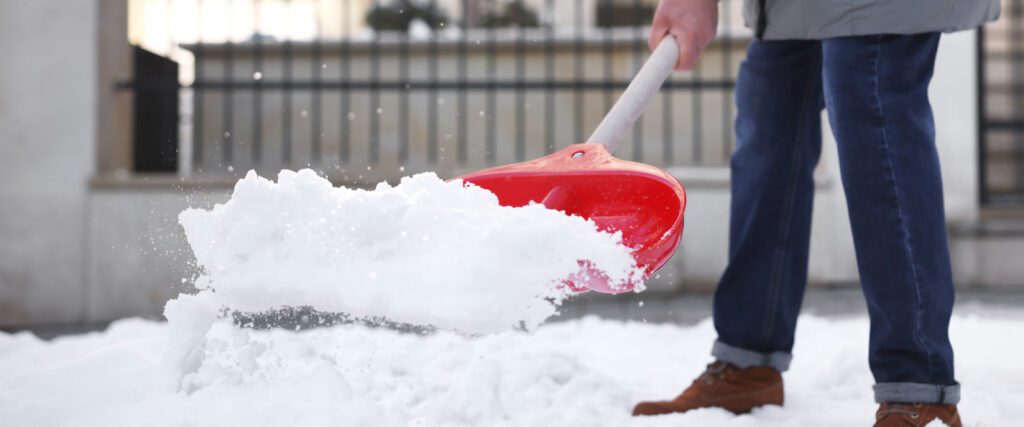
When a snowstorm hits, many people may not think twice about grabbing a shovel and clearing their walkway. But this tedious winter chore can pose a surprising health risk: The combination of strenuous physical exercise and freezing temperatures puts extra strain on the heart, and even young, otherwise healthy people can experience a heart complication.
When storms result in 7 to 8 inches of snow, the risk of hospitalization for heart attacks in men increases by 16%, and the risk of death by heart attack increases by 34%, according to a Canadian study. Another report found that heart rates during just 10 minutes of heavy snow shoveling exceed the recommended exercise intensity limits.
“Many people significantly underestimate how physically demanding snow shoveling can be,” says Dr. Nathan Tehrani, a cardiologist at NewYork-Presbyterian Medical Group Queens. “By combining proper technique, pacing, and awareness of your cardiovascular limits, there are ways to make it safer and less stressful on the heart.”
Health Matters spoke with Dr. Tehrani to better understand what happens to your heart when you shovel snow, how to stay safe if you do choose to shovel, and who should skip it altogether.
What happens inside the heart and blood vessels when someone shovels snow? And how does snow shoveling increase the risk of heart attacks?

Shoveling snow significantly increases the body’s need for oxygen. To meet this demand, the heart must work harder: The heart rate rises, the heart pumps more forcefully, and blood pressure increases to deliver oxygen to the working muscles.
The cold temperature also causes blood vessels to constrict and makes the blood more prone to clotting. The coronary arteries that supply blood to the heart can also narrow, reducing oxygen delivery to the heart muscle itself.
Together, these effects increase the stress on vulnerable cholesterol plaques that may be present within the coronary arteries, potentially causing the cholesterol plaques to rupture. In turn, the ruptured plaque causes a blood clot to form, which can obstruct blood flow in the coronary arteries, and thus starve the heart muscle of oxygen. This can ultimately lead to a heart attack.
How does cold exposure increase the risk of arrhythmias?
When we’re exposed to extreme cold, it triggers the body’s “fight-or-flight” response, releasing stress hormones like adrenaline. These hormones can make the heart more electrically irritable and prone to abnormal rhythms.
Freezing temperatures, blood vessel constriction, elevated blood pressure, and the resulting increased strain on the heart can stretch heart muscle fibers and disrupt the heart’s normal electrical signals, further increasing the chance of arrhythmias, such as atrial fibrillation.
Why does snow shoveling pose a higher cardiac risk than other types of exercise?
Unlike planned exercise, snow shoveling is usually a sudden, high-intensity activity performed in very cold conditions. People often shovel without a warmup and are not used to strenuous physical activity.
Depending on the amount of snowfall, people may shovel continuously for long periods, sometimes over an hour, placing further strain on the heart. So the heavy lifting, repetitive motion, and cold exposure together make snow shoveling more dangerous than many forms of regular exercise, such as running or biking.
Who is at highest risk for heart issues while shoveling snow?
People with underlying heart disease are at the highest risk for heart-related events while shoveling snow, including those who have “hidden” heart problems, such as undiagnosed coronary artery disease. Risk is also higher in older adults, particularly men over 45 and women over 55.
Other groups at increased risk include people with high blood pressure, diabetes, high cholesterol, or a history of smoking, even if they have never had cardiac symptoms. Finally, anyone who is physically inactive, or not accustomed to strenuous exercise, is especially vulnerable because they suddenly engage in snow shoveling, which is an intense activity.
Are there warning signs and symptoms people should watch for while or after shoveling?
The most important warning sign to watch for is chest discomfort. If you develop any chest pain or discomfort while shoveling, such as pressure, tightness, squeezing, or a burning sensation, you should stop shoveling immediately and go indoors. Let a family member or loved one know that you are not feeling well and seek medical attention right away.
Other important symptoms to look out for include:
- Shortness of breath that feels excessive or doesn’t improve with rest
- Dizziness, lightheadedness, or feeling faint
- Unusual fatigue
- Nausea or sweating
- Pain spreading to the arm, neck, jaw, or back
Never ignore these symptoms, particularly during or after snow shoveling, as they may be early signs of a serious cardiac event.
How can someone tell whether they are able to safely shovel snow?
The safest way to assess whether you’re physically ready to shovel snow is to talk with your primary care doctor, or your cardiologist, especially if you are older or have known risk factors for heart disease. They can help determine whether shoveling is safe for you based on your medical history and overall fitness level.
For some people (for example, those with significant coronary artery disease, a history of heart attacks, or poorly controlled risk factors), I may advise avoiding snow shoveling altogether. In other cases, I may recommend limits on exertion or suggest safer alternatives, such as using a snowblower or hiring help.
At what age does snow shoveling become more of a risk?
There isn’t a specific age when it automatically becomes unsafe; it depends on a person’s overall cardiovascular fitness and risk profile. That said, I advise all patients, regardless of age, to exercise caution. The key is knowing your own heart health, pacing yourself, and taking appropriate precautions.
What are the best techniques for shoveling snow that minimize cardiovascular strain?
If you choose to shovel, there are several ways to reduce cardiovascular strain:
- Dress in warm layers, winter boots with good traction, and gloves.
- Fill the shovel only with an amount you can comfortably lift. If you’re using your legs to lift, it means the shovel is too heavy.
- Warm up before shoveling with stretching and light activity.
- Stay hydrated.
- Push the snow to the side instead of lifting it entirely, as this significantly reduces strain on the heart.
- Pace yourself: Take frequent breaks, and during large snowfalls, consider splitting the work into multiple rounds with longer rest periods in between.
- Listen to your body for any symptoms like chest discomfort or shortness of breath.
What are the safest alternatives to manual shoveling?
Using a snowblower is a much safer option, provided you know how to operate it correctly and follow basic safety precautions. Wear proper footwear, avoid loose clothing, and let the machine do the work rather than forcing it.
Hiring a professional snow-removal service is another safe alternative, especially for larger areas or heavy snowfalls.
Overall, the key is to minimize heavy exertion, use the right tools, and prioritize safety.